speed and agility training program pdf

Fall training necessitates a focused approach‚ incorporating sport-specific drills to enhance skills and prepare athletes for competition‚ mirroring Neymar Jr.’s dedication to peak performance.
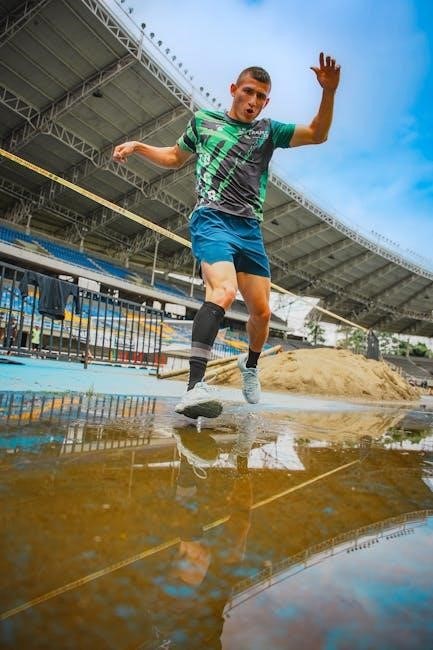
Agility is a crucial‚ often overlooked‚ element in athletic success‚ particularly in football‚ where it distinguishes good players from true game-changers‚ alongside strength and speed.
Comprehensive fitness extends beyond cardio and strength; agility training‚ historically favored by sprinters‚ is now recognized as vital for all athletes‚ even during everyday activities.
What is Speed and Agility?
Speed‚ fundamentally‚ is the ability to cover a distance in a short amount of time. It’s often measured as velocity – distance divided by time. However‚ in athletic contexts‚ speed isn’t simply about maximum velocity; it’s about achieving that velocity efficiently and effectively. This often involves acceleration‚ the rate at which velocity increases‚ a key component frequently addressed in training programs.
Agility‚ conversely‚ is the ability to rapidly change direction and velocity while maintaining balance and control. It’s not merely about quickness‚ but about coordinated movement. Think of a toddler’s unpredictable path in a park – that’s agility in action! It requires a combination of strength‚ power‚ coordination‚ and reaction time.
Unlike linear speed‚ agility is multi-directional. A football receiver’s ability to evade a defender‚ or a basketball player’s quick cuts to the basket‚ exemplify agility. It’s the hidden factor that elevates athletes‚ allowing them to outmaneuver opponents and react to dynamic game situations.
Why is Speed and Agility Training Important?
Speed and agility training transcends basic fitness‚ becoming crucial for peak athletic performance and even everyday life. While cardiovascular fitness and strength training are foundational‚ neglecting agility leaves a significant gap in an athlete’s skillset. It’s frequently omitted from standard routines‚ despite its profound impact.
In sports like football‚ agility isn’t just beneficial – it’s decisive. It’s the difference between a completed pass and an interception‚ a successful tackle and a missed opportunity. Similarly‚ in basketball‚ quick cuts and changes of direction are essential for creating space and scoring.
Beyond athletics‚ agility enhances functional movement‚ improving reaction time and coordination. Even chasing a toddler demands agility! The military recognizes its importance‚ evolving fitness tests to include timed runs and agility drills. Investing in speed and agility training yields a comprehensive improvement in physical capability‚ benefiting athletes and individuals alike.

Components of a Speed and Agility Program
A well-rounded program integrates warm-ups‚ dynamic stretching‚ speed drills (acceleration and maximum velocity)‚ and agility exercises like cone‚ shuttle‚ and ladder drills.
Warm-up and Dynamic Stretching
Prior to any high-intensity speed or agility work‚ a thorough warm-up is absolutely essential. This prepares the musculoskeletal system for the demands to come‚ reducing the risk of injury and optimizing performance. A proper warm-up should elevate the body temperature‚ increase blood flow to the muscles‚ and improve joint mobility.
Static stretching – holding a stretch for an extended period – is generally discouraged before speed and agility drills‚ as it can temporarily reduce muscle power. Instead‚ focus on dynamic stretching‚ which involves controlled movements through a full range of motion.
Examples of dynamic stretches ideal for this purpose include leg swings (forward‚ backward‚ and lateral)‚ arm circles‚ torso twists‚ high knees‚ butt kicks‚ and walking lunges with a twist. These movements actively engage the muscles and prepare them for the explosive actions required in speed and agility training; The goal is to enhance flexibility while maintaining muscle activation‚ unlike static stretching.
Speed Development Drills
Speed development isn’t simply about running faster; it’s about improving the mechanics and efficiency of movement. Drills should focus on enhancing stride length‚ stride frequency‚ and overall running form. New runners often prioritize endurance‚ neglecting the crucial element of agility‚ once a secret weapon for sprinters.
Acceleration drills are fundamental‚ teaching athletes to generate maximum force in the initial stages of a sprint. These include resisted sprints (using sleds or bands)‚ hill sprints‚ and short-distance sprints from various starting positions.
Maximum velocity drills focus on maintaining top speed over a longer distance. Flying 30s (accelerating into a 30-meter timed sprint)‚ and overspeed training (using downhill runs or assisted towing) are effective methods. Remember‚ agility training is a key component of a well-rounded fitness program‚ often overlooked in standard routines.
Acceleration Drills
Acceleration drills are paramount for developing explosive power and the ability to quickly reach top speed. These drills emphasize proper body positioning‚ powerful leg drive‚ and efficient arm action. Resisted sprints‚ utilizing sleds or resistance bands‚ build strength and force production‚ crucial for initial bursts.
Hill sprints provide a natural resistance‚ enhancing leg strength and improving running mechanics. Short-distance sprints‚ starting from various positions (lying down‚ kneeling‚ or standing)‚ challenge athletes to react quickly and generate force efficiently.
Focus on maintaining a forward lean throughout the acceleration phase‚ driving with the legs‚ and keeping the arms pumping rhythmically. Remember‚ agility‚ a hidden factor in football‚ transforms good athletes into game-changers‚ alongside speed and strength. These drills lay the foundation for overall speed development.
Maximum Velocity Drills
Achieving maximum velocity requires refining running mechanics and minimizing energy leaks. Flying sprints‚ where athletes build speed over a short distance before entering a timed zone‚ are excellent for experiencing top-end speed. Over-speed training‚ utilizing downhill runs or assisted towing‚ can temporarily exceed natural maximum velocity‚ improving neuromuscular efficiency.
Straight-line sprints with a focus on stride length and frequency are essential. Maintaining a relaxed upper body and efficient arm swing reduces resistance and optimizes form. These drills build upon the foundation established through acceleration work.
Remember‚ endurance isn’t enough; agility is key‚ once a secret weapon for sprinters‚ now vital for all athletes. Consistent practice of these drills‚ combined with proper recovery‚ will translate to faster times and improved performance on the field or track‚ mirroring Neymar Jr.’s dedication.
Agility Development Drills
Agility training isn’t just for elite athletes; it’s beneficial for everyone‚ even chasing a toddler in the park requires quick changes in direction! These drills focus on reacting to stimuli and changing direction efficiently. Cone drills are foundational‚ requiring athletes to navigate a pre-set pattern with speed and precision‚ improving footwork and coordination.
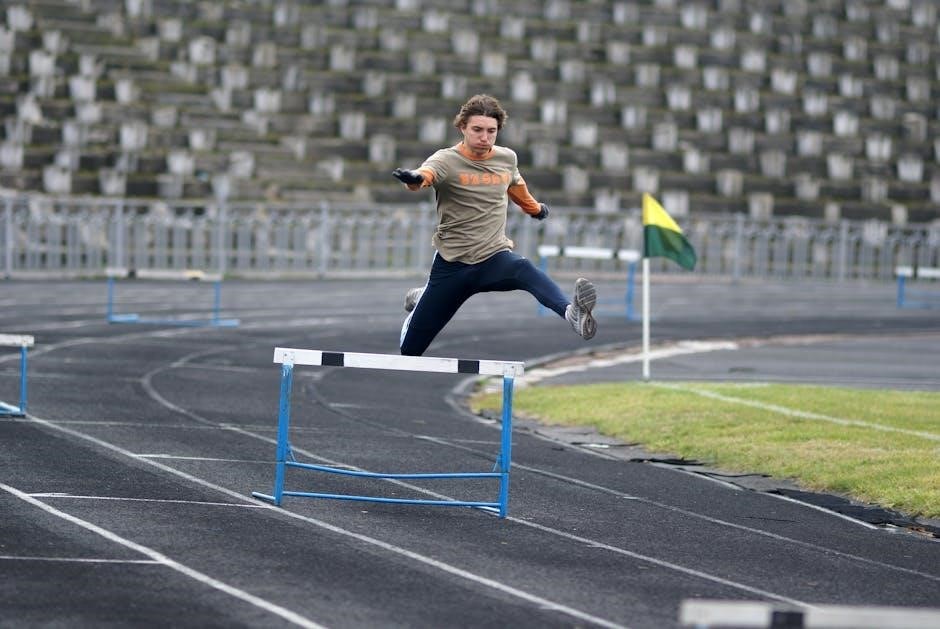
Shuttle runs‚ involving sprinting between designated points‚ enhance acceleration‚ deceleration‚ and re-acceleration abilities. Ladder drills‚ with their varied patterns‚ promote quick feet‚ agility‚ and body control. These drills mimic the unpredictable movements demanded in many sports.
Remember‚ agility is often overlooked in standard routines‚ yet it’s a key component of comprehensive fitness. Integrating these drills into a program‚ alongside speed work‚ creates well-rounded athletes capable of explosive movements and rapid responses‚ like a game-changing football player.
Cone Drills
Cone drills are a cornerstone of agility development‚ offering a versatile and scalable training method. These drills involve setting up cones in various patterns – linear‚ L-shaped‚ or more complex arrangements – and having athletes navigate them with speed and precision. The focus is on quick footwork‚ sharp cuts‚ and maintaining balance while changing direction.
Variations include weaving through cones‚ performing shuffles around them‚ or sprinting to a cone and back. Athletes should emphasize a low center of gravity and explosive movements. Proper technique is crucial; avoid rounding corners and focus on planting the foot firmly before changing direction.
Cone drills directly translate to sport-specific movements‚ improving an athlete’s ability to evade opponents‚ react to plays‚ and maintain control during dynamic activities. They are a fundamental component of any comprehensive speed and agility program‚ building a strong foundation for more advanced drills.
Shuttle Runs
Shuttle runs are a classic agility drill‚ effectively testing and improving an athlete’s acceleration‚ deceleration‚ and change-of-direction speed. Typically‚ these involve sprinting between two points‚ touching a line‚ and returning to the starting point – repeated multiple times; Variations include different distances between the points and the addition of obstacles.
The drill demands explosive power and efficient footwork. Athletes must quickly accelerate towards the line‚ plant firmly to change direction‚ and decelerate efficiently before sprinting back. Maintaining a low center of gravity and using short‚ choppy steps are key to maximizing speed and agility.

Shuttle runs are particularly beneficial for sports requiring frequent starts and stops‚ like basketball‚ soccer‚ and football. They build the neuromuscular coordination needed for rapid changes in movement‚ enhancing an athlete’s responsiveness and overall athletic performance. They mirror the unpredictable nature of game situations.
Ladder Drills
Agility ladder drills are fantastic for developing foot speed‚ coordination‚ and quickness. These drills involve a series of patterned footwork movements performed within the rungs of a flat ladder placed on the ground. Numerous patterns exist‚ ranging from simple in-and-out steps to more complex lateral shuffles and hops.
The focus is on rapid‚ precise foot placements‚ forcing athletes to maintain a high frequency of steps and improve their body control. Proper technique emphasizes a light‚ quick foot strike and a low center of gravity. These drills enhance proprioception – the body’s awareness of its position in space.
Ladder drills translate well to various sports‚ improving agility for tasks like dribbling in basketball‚ quick cuts in soccer‚ and evasive maneuvers in football. They’re also valuable for rehabilitation‚ helping athletes regain coordination and foot speed after injury‚ building a strong foundation.

Integrating Speed and Agility into Sport-Specific Training
Tailoring drills to mimic game demands is key; football benefits from agility for receivers‚ while basketball thrives on quick cuts and changes of direction.
Football Speed and Agility
In American football‚ agility isn’t merely beneficial—it’s a defining characteristic separating proficient athletes from genuine game-changers. While speed and strength receive considerable attention‚ the capacity to swiftly alter direction‚ accelerate‚ and decelerate often dictates success on the field.
Effective training focuses on replicating game scenarios. Cone drills enhance change-of-direction speed‚ crucial for wide receivers evading defenders and running backs finding gaps. Shuttle runs build acceleration and deceleration‚ mirroring the demands of short-burst plays. Ladder drills improve footwork and coordination‚ vital for agility and balance.
A comprehensive program integrates these drills with football-specific movements. For example‚ simulating route running with cone patterns or practicing defensive backpedals with agility ladders. The military’s emphasis on agility‚ evolving from long-distance runs to more dynamic tests‚ demonstrates its broad applicability and importance in performance.
Ultimately‚ football speed and agility training aims to develop reactive athleticism – the ability to respond quickly and efficiently to unpredictable game situations‚ turning potential tackles into successful gains.
Basketball Speed and Agility
Basketball demands a unique blend of speed‚ agility‚ and reactive quickness. Players must rapidly accelerate for fast breaks‚ decelerate for controlled pivots‚ and change direction seamlessly to evade defenders and create scoring opportunities. Unlike linear speed‚ basketball agility is largely multi-directional.
Effective training incorporates drills that mimic in-game movements. Cone drills are invaluable for developing cutting ability and lateral quickness‚ essential for dribbling and defensive slides. Shuttle runs build the explosive power needed for sprints to the basket and quick transitions.
Ladder drills refine footwork and coordination‚ improving a player’s ability to maintain balance while changing direction at high speeds. Integrating these drills with ball-handling exercises further enhances sport-specificity‚ simulating dribbling through traffic.
Just as a toddler’s unpredictable movements require constant adaptation‚ basketball players must develop the ability to react instantly to opponents and changing game situations‚ making agility a cornerstone of success.
Soccer Speed and Agility
Soccer necessitates a diverse range of speed and agility attributes. Players require explosive acceleration for sprints to beat defenders‚ the endurance to maintain high-intensity movement throughout a match‚ and the agility to navigate tight spaces and change direction rapidly with the ball.
Training programs should prioritize multi-directional speed‚ mirroring the unpredictable nature of the game. Cone drills are crucial for enhancing cutting ability and improving footwork while dribbling. Shuttle runs build the capacity for repeated sprints and quick recoveries.
Ladder drills refine foot speed and coordination‚ vital for close ball control and quick changes of pace. Integrating these drills with passing and shooting exercises increases sport-specificity‚ simulating game-like scenarios.
Like chasing a toddler‚ soccer players must react instantly to opponents’ movements and adapt to constantly changing situations‚ making agility a fundamental component of success on the pitch.

Program Design Considerations
Effective programs demand careful planning‚ balancing frequency‚ duration‚ and intensity with adequate rest for recovery‚ mirroring the military’s evolved fitness tests and athlete needs.
Frequency and Duration
Determining optimal frequency and duration is paramount for a successful speed and agility program. Initial sessions should prioritize quality over quantity‚ focusing on proper technique and movement patterns. Two to three sessions per week are generally recommended‚ allowing for sufficient recovery between workouts.
Session duration can vary based on the athlete’s experience level and the intensity of the drills. Beginners might start with 20-30 minute sessions‚ gradually increasing to 45-60 minutes as their conditioning improves. It’s crucial to avoid overtraining‚ which can lead to fatigue‚ decreased performance‚ and increased risk of injury.
Consider the athlete’s overall training load. If they are involved in other sports or activities‚ adjust the frequency and duration of speed and agility training accordingly. Prioritize recovery days to allow the body to adapt and rebuild. Monitoring athlete fatigue levels is essential for making informed decisions about training volume.
Remember‚ consistency is key. Regular‚ well-structured sessions are more effective than sporadic‚ high-intensity workouts. A balanced approach that prioritizes both quality and recovery will yield the best results.
Progression and Overload
Progressive overload is fundamental to continuous improvement in speed and agility. Initially‚ focus on mastering fundamental movement skills before introducing more complex drills. Begin with low-intensity exercises and gradually increase the difficulty over time.
Progression can be achieved through several methods: increasing the speed of movement‚ reducing rest intervals‚ adding resistance (e.g.‚ using resistance bands or weighted vests)‚ or increasing the complexity of the drills. For example‚ start with simple cone drills and progress to more challenging shuttle runs or ladder drills.
Systematically challenge the athlete‚ ensuring they are consistently working outside their comfort zone. However‚ avoid sudden jumps in intensity‚ as this can increase the risk of injury. Small‚ incremental increases are more effective and sustainable;
Regularly assess the athlete’s performance and adjust the program accordingly. If they are consistently completing drills with ease‚ it’s time to increase the challenge. Conversely‚ if they are struggling‚ reduce the intensity or complexity.
Rest and Recovery
Adequate rest and recovery are paramount for maximizing the benefits of speed and agility training and preventing overtraining. High-intensity drills place significant stress on the neuromuscular system‚ requiring sufficient time for repair and adaptation.
Implement strategic rest periods between sets and repetitions during training sessions. Active recovery‚ such as light jogging or stretching‚ can also aid in recovery. Allow at least 24-48 hours of rest between speed and agility workouts to allow muscles to rebuild.

Prioritize sleep‚ aiming for 7-9 hours of quality sleep per night. Sleep is crucial for muscle recovery‚ hormone regulation‚ and overall athletic performance. Proper nutrition‚ including adequate protein intake‚ is also essential for supporting muscle repair.
Consider incorporating recovery modalities such as foam rolling‚ massage‚ or contrast baths to reduce muscle soreness and improve recovery time. Listen to your body and don’t hesitate to take extra rest days when needed.

Monitoring Progress and Making Adjustments
Tracking performance metrics is vital for evaluating training effectiveness; address plateaus and potential injuries promptly‚ adapting the program based on individual responses.
Tracking Performance Metrics
Consistent monitoring is paramount to gauge the effectiveness of a speed and agility program. Beyond subjective feelings‚ quantifiable data provides objective insights into athlete progress. Key metrics include sprint times over various distances (10m‚ 20m‚ 40m)‚ shuttle run times‚ and completion times for cone drills.
Ladder drill times‚ focusing on foot speed and coordination‚ are also valuable. Record these metrics regularly – weekly or bi-weekly – to establish baseline measurements and track improvements. Utilize technology where possible; timing gates and video analysis can offer precise data.
Don’t solely focus on speed. Agility metrics should assess change-of-direction speed and efficiency. Observe and record the athlete’s technique during drills‚ noting any biomechanical flaws that may hinder performance or increase injury risk. A comprehensive approach combines quantitative data with qualitative observation for a holistic understanding of progress.
Addressing Plateaus and Injuries
Plateaus are inevitable in any training program. When progress stalls‚ reassess the program’s intensity‚ volume‚ and variety. Introduce novel drills or modify existing ones to challenge the athlete in new ways. Consider periodization strategies‚ cycling between phases of high-intensity and recovery.
Injury prevention is crucial. Proper warm-up‚ dynamic stretching‚ and cool-down routines are non-negotiable. Pay attention to athlete feedback; pain is a signal. Address minor discomfort promptly before it escalates into a more serious injury.
Modify training if an injury occurs. Cross-training activities can maintain fitness while allowing the injured area to heal. Collaborate with a sports medicine professional for diagnosis and rehabilitation guidance. Returning to full training should be gradual and progressive‚ avoiding re-injury.
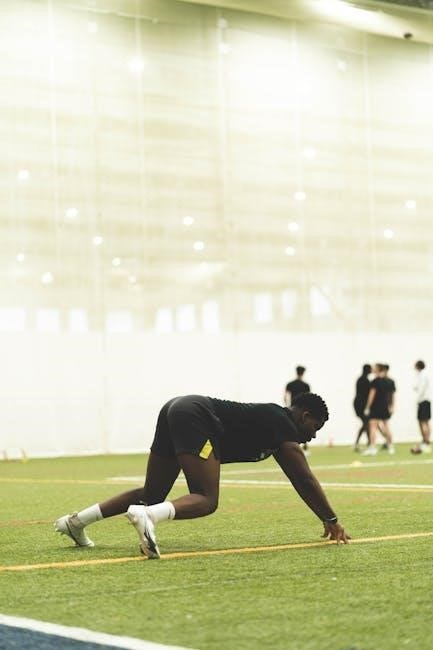
Resources for Speed and Agility Training (PDF Guides)
Numerous online resources offer comprehensive speed and agility training programs in PDF format. These guides often detail structured workouts‚ drill progressions‚ and program design principles suitable for various sports and fitness levels. Searching for “speed and agility training PDF” yields a wealth of options‚ from beginner-friendly routines to advanced athlete protocols.
Military fitness resources provide valuable insights into agility training‚ reflecting the demands of tactical environments. These PDFs emphasize functional movements and conditioning relevant to ground combat and rapid response scenarios.
Sports-specific guides‚ such as those tailored for football‚ basketball‚ or soccer‚ offer drills designed to enhance performance in those particular disciplines. Remember to evaluate the source’s credibility and adapt the program to individual needs and capabilities. Always prioritize proper form and safety.