respiratory system assessment pdf
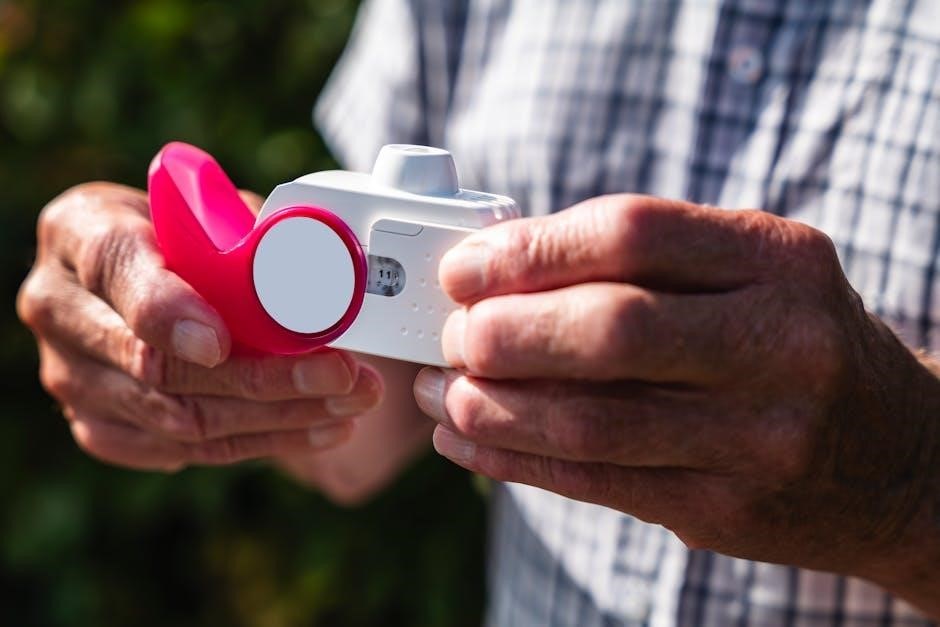
Respiratory assessment PDFs guide nurses through focused techniques—inspecting consciousness, skin, and effort— alongside auscultation, palpation, and percussion for a systematic examination.
Importance of Systematic Assessment
A systematic respiratory assessment, often detailed within a respiratory system assessment PDF, is paramount for accurate patient evaluation. This approach ensures no critical signs or symptoms are overlooked, leading to timely and appropriate interventions.
Employing a head-to-toe methodology, guided by checklists found in these resources, allows healthcare professionals to establish a baseline, detect subtle changes, and differentiate between normal and abnormal findings.
This structured process is crucial for patients presenting with respiratory complaints, as it aids in identifying the underlying cause—whether it be asthma, pneumonia, or another condition—and tailoring treatment accordingly. A thorough assessment minimizes diagnostic errors and optimizes patient outcomes.
Scope of a Respiratory Assessment PDF
A comprehensive respiratory system assessment PDF typically encompasses a detailed history taking process, utilizing acronyms for efficiency, and focuses on chief complaints like shortness of breath. It extends to evaluating past medical history and relevant factors impacting respiratory function.
Objective data collection forms a significant portion, covering inspection – assessing consciousness, skin color, and respiratory effort – alongside palpation for tracheal position and emphysema. Percussion and auscultation techniques are thoroughly outlined, detailing normal and abnormal breath sound identification.
Furthermore, many PDFs include continuous lung sound monitoring guidance, particularly relevant in asthma management, and provide practical checklists for comprehensive data gathering.

History Taking in Respiratory Assessment
Respiratory assessment PDFs emphasize systematic history taking, employing recommended acronyms to efficiently gather crucial information about a patient’s respiratory complaints.
Utilizing Acronyms for Efficient History Collection
Respiratory assessment PDFs frequently advocate for utilizing mnemonics and acronyms during history taking to ensure a comprehensive and efficient data collection process. These tools help nurses systematically explore key aspects of the patient’s respiratory condition, preventing omissions and streamlining the assessment.
While specific acronyms may vary between institutions and healthcare providers, the underlying principle remains consistent: to provide a structured framework for gathering essential information. This includes details about the onset, duration, character, and alleviating/aggravating factors of respiratory symptoms.
Employing such techniques not only saves valuable time during a busy clinical shift but also enhances the accuracy and completeness of the respiratory assessment, ultimately contributing to improved patient care and diagnosis.
Chief Complaints Related to Respiratory Issues
Respiratory assessment PDFs highlight that patients presenting with respiratory issues commonly report a range of chief complaints. Shortness of breath, or dyspnea, is a frequent concern, often described as difficulty breathing or feeling like they can’t get enough air. Cough, with varying characteristics, is another prevalent complaint, potentially productive (with sputum) or non-productive.
Chest pain, which may be sharp, dull, or pressure-like, also warrants immediate attention. Wheezing, a high-pitched whistling sound during breathing, is often reported, alongside tightness in the chest.
Furthermore, patients may describe fatigue, cyanosis (bluish discoloration of the skin), or a feeling of anxiety related to their breathing difficulties. Accurate documentation of these chief complaints forms the foundation of a thorough respiratory assessment.
Past Medical History & Relevant Factors
Respiratory assessment PDFs emphasize the importance of a detailed past medical history. Prior respiratory illnesses like asthma, COPD, pneumonia, or bronchitis significantly impact current assessment findings. A history of allergies, particularly to environmental factors or medications, is crucial, as these can trigger respiratory distress.
Cardiac conditions, such as heart failure, can contribute to pulmonary edema and breathing difficulties. Smoking history, including pack-years, is a vital factor, as is exposure to environmental irritants like pollutants or occupational hazards.
Recent surgeries, especially thoracic or abdominal procedures, can affect respiratory function. Family history of respiratory diseases should also be noted, alongside any immunocompromising conditions.

Subjective Data Collection
Respiratory assessment PDFs prioritize gathering the patient’s perception of their breathing, including any difficulties, and detailed descriptions of their cough and associated symptoms.
Patient’s Perception of Breathing Difficulty
Respiratory assessment PDFs emphasize thoroughly exploring the patient’s subjective experience of dyspnea. This involves detailed questioning about when the difficulty began, what activities exacerbate it, and its severity using scales like a visual analog scale.
Nurses should inquire about the quality of the breathing – is it labored, shallow, or rapid? Understanding the patient’s description of the sensation – tightness, air hunger, or a feeling of not getting enough air – is crucial.
Furthermore, assess associated symptoms like anxiety, dizziness, or chest discomfort that accompany the breathing difficulty. Documenting the patient’s self-report accurately provides vital information for diagnosis and treatment planning, forming a cornerstone of the respiratory assessment.
Cough Characteristics (Type, Frequency, Sputum)
Respiratory assessment PDFs highlight the importance of a detailed cough assessment. Document the cough’s type – dry, productive, barking, or whooping – and its frequency, noting if it’s constant, intermittent, or paroxysmal.
If productive, meticulously characterize the sputum: color (clear, white, yellow, green, blood-tinged), consistency (thin, thick, frothy), amount, and odor.
Inquire about factors that trigger or relieve the cough, and the time of day it’s most prominent. Assess if the cough interferes with sleep or daily activities. This comprehensive evaluation of cough characteristics aids in identifying the underlying respiratory pathology and guiding appropriate interventions.
Chest Pain Assessment
Respiratory assessment PDFs emphasize a thorough evaluation of chest pain. Characterize the pain’s location, radiation, quality (sharp, dull, pressure-like), and severity using a pain scale.
Determine if the pain is pleuritic – worsening with inspiration – or related to exertion. Investigate associated symptoms like shortness of breath, palpitations, or nausea.
Crucially, differentiate between respiratory and cardiac chest pain, considering risk factors for both. Document any alleviating or aggravating factors. A detailed pain assessment, guided by a PDF checklist, is vital for accurate diagnosis and appropriate management of respiratory conditions.

Objective Data Collection: Inspection
Respiratory assessment PDFs detail inspecting consciousness, skin color for hypoxia, finger clubbing, breathing patterns, and accessory muscle use—key indicators of respiratory status.
Level of Consciousness and Mental Status
Respiratory assessment PDFs emphasize that evaluating a patient’s level of consciousness is a crucial initial step during inspection. Changes in mental status, such as confusion, restlessness, or lethargy, can be early indicators of hypoxia or declining respiratory function. Assess orientation to person, place, and time.
Note any signs of agitation or anxiety, as these can increase oxygen demand and respiratory rate. A decreased level of consciousness may suggest severe hypoxemia or hypercapnia. Carefully document observations, as alterations in mental status often precede noticeable physical changes and provide vital clues to the severity of respiratory distress. This assessment guides further investigation and intervention.
Skin Color and Signs of Hypoxia
Respiratory assessment PDFs highlight the importance of observing skin color as a key indicator of oxygenation. Central cyanosis, a bluish discoloration of the lips and tongue, is a late sign of severe hypoxia and requires immediate attention. Peripheral cyanosis, observed in the extremities, can indicate vasoconstriction or reduced blood flow.
Pallor, or paleness, may also suggest inadequate perfusion. Assess for mottling, an irregular discoloration of the skin, which can indicate shock or worsening hypoxia. Note any diaphoresis (excessive sweating), as this can be a sign of respiratory distress. Thorough documentation of skin findings is essential for monitoring the patient’s response to interventions.
Assessing for Clubbing of Fingers
Respiratory assessment PDFs emphasize evaluating for digital clubbing, a physical finding often associated with chronic respiratory diseases. Clubbing involves bulbous enlargement of the fingertips and flattening of the nail angle. To assess, compare the angles formed by the nail bed and the skin – normally less than 160 degrees.
Increased angle, along with longitudinal ridging and increased nail bed fluctuation, suggests chronic hypoxia. This finding is commonly seen in conditions like chronic obstructive pulmonary disease (COPD), cystic fibrosis, and lung cancer. Accurate documentation of the presence or absence of clubbing is crucial for tracking disease progression and evaluating treatment effectiveness.
Observing Respiratory Effort & Accessory Muscle Use
Respiratory assessment PDFs highlight the importance of observing the patient’s work of breathing. Normal respiration is effortless; increased effort signifies respiratory distress. Assess for the use of accessory muscles – sternocleidomastoid, scalenes, and intercostal muscles – which indicate the patient is compensating for inadequate respiratory function.
Look for nasal flaring, retractions (intercostal, supraclavicular, or substernal), and abdominal breathing. Note the rate, rhythm, and depth of respirations. Labored breathing, characterized by these signs, suggests increased resistance or decreased lung compliance. Documenting these observations provides vital clues about the severity of respiratory compromise and guides further intervention.
Spinal Alignment and Chest Configuration
Respiratory assessment PDFs emphasize evaluating the patient’s spinal alignment and chest shape. Kyphosis (exaggerated thoracic curvature) or scoliosis (lateral spinal curvature) can restrict lung expansion and compromise respiratory function. Observe the anterior-posterior (AP) to lateral chest diameter; a normal ratio is approximately 1:2.
Barrel chest, an increased AP diameter, often indicates chronic air trapping, as seen in conditions like COPD. Pectus excavatum (sunken chest) or pectus carinatum (pigeon chest) can also impact respiratory mechanics. Document any deformities or asymmetries, as these findings contribute to a comprehensive understanding of the patient’s respiratory status and potential limitations.

Objective Data Collection: Palpation
Respiratory assessment PDFs detail palpating the trachea for position and symmetry, checking for subcutaneous emphysema, and assessing chest expansion during breathing.
Tracheal Position Assessment
Respiratory assessment PDFs emphasize palpating the trachea to determine its position, a crucial step in identifying potential respiratory distress. Normally, the trachea is midline; however, deviations can indicate underlying issues. A shift to one side might suggest a pneumothorax, pleural effusion, or mediastinal mass on the opposite side, causing pressure on the trachea.
Palpation should be performed gently, assessing the space between the trachea and the sternal notch. Documenting the distance and any observed asymmetry is vital. Nurses should be trained to recognize subtle deviations, as they can be early indicators of a deteriorating condition. Accurate assessment requires a systematic approach, as outlined in comprehensive respiratory guides.
Detecting Subcutaneous Emphysema
Respiratory assessment PDFs detail the technique for detecting subcutaneous emphysema – a condition where air leaks into the tissues under the skin. Palpation around the neck, chest, and upper torso is key; a crackling sensation, often described as “rice crispies” under the skin, indicates trapped air. This typically arises from a pneumothorax, ruptured alveoli, or trauma.

Nurses must systematically palpate, noting the extent and location of the crepitus. Prompt recognition is crucial, as significant subcutaneous emphysema can compromise breathing and indicate a worsening condition. Documentation should include the precise areas affected and the characteristics of the palpable sensation, aiding in accurate diagnosis and treatment planning.
Assessing Chest Expansion
Respiratory assessment PDFs emphasize evaluating chest expansion as a vital component of the objective examination. This is performed by placing hands on the patient’s posterior chest wall, at the level of the lower ribs, and asking them to take a deep breath. Symmetrical expansion indicates normal lung function, while asymmetry suggests underlying issues like pneumothorax, pleural effusion, or pneumonia.
Unequal expansion can also result from conditions affecting the chest wall, such as fractured ribs or muscle weakness. Careful observation and palpation are essential. Documenting the degree of symmetry, any lagging of expansion on one side, and associated tenderness provides crucial data for diagnosis and monitoring respiratory status.

Objective Data Collection: Percussion
Respiratory assessment PDFs detail percussion techniques to assess underlying lung structure, identifying resonance indicating normal air-filled lungs, or dullness suggesting consolidation.
Percussion Technique for Lung Assessment
Percussion, a key component detailed in respiratory assessment PDFs, involves systematically tapping the chest wall to evaluate underlying lung tissue. The procedure utilizes the middle finger of the non-dominant hand, placed firmly against the patient’s chest, while the dominant hand’s middle finger rapidly strikes the distal interphalangeal joint.
Assessors listen for the resulting sounds – resonance, hyperresonance, dullness, or flatness – which correlate to air or fluid content. Resonance indicates normal lung tissue, while hyperresonance suggests hyperinflation, like in emphysema. Dullness often signifies consolidation, pleural effusion, or a tumor. Flatness indicates massive pleural effusion or pneumothorax.
Systematic comparison between symmetrical areas is crucial, moving laterally from the spine, assessing intercostal spaces. Proper technique, as outlined in guides, ensures accurate interpretation of findings.
Identifying Lung Resonance and Dullness
Respiratory assessment PDFs emphasize differentiating lung sounds during percussion; Resonance, the predominant sound over healthy lung tissue, is a low-pitched, hollow sound indicating air-filled alveoli. Conversely, dullness signifies increased lung density, suggesting fluid or solid obstruction.
Dullness can indicate pneumonia, pleural effusion, or a tumor, while hyperresonance suggests conditions like emphysema or pneumothorax. Accurate identification requires systematic comparison between symmetrical chest areas. Assessors should move laterally from the spine, percussing intercostal spaces to map sound variations.
Understanding these distinctions, as detailed in assessment guides, is vital for accurate diagnosis and appropriate patient care. Recognizing deviations from normal resonance prompts further investigation.
Objective Data Collection: Auscultation
Respiratory assessment PDFs detail auscultation techniques, utilizing landmarks to systematically evaluate normal and abnormal breath sounds—wheezes, crackles, and rhonchi.
Auscultation Technique and Landmarks
Respiratory assessment PDFs emphasize a systematic auscultation approach. Begin by instructing the patient to breathe slowly and deeply through their mouth. Utilize the diaphragm of the stethoscope, warming it before placement, and listen through each side of the chest.
Key landmarks include the trachea, intercostal spaces, and lung bases. Compare sounds bilaterally, moving from side to side in a ladder-like pattern. Auscultate anteriorly, posteriorly, and laterally, noting any differences. Identify the locations for vesicular, bronchial, and bronchovesicular sounds.
Document the presence and characteristics of any adventitious sounds, such as wheezes, crackles (rales), or rhonchi, specifying their location, timing, and pitch. Proper technique and landmark recognition are crucial for accurate respiratory assessment.
Normal Breath Sounds (Vesicular, Bronchial, Bronchovesicular)
Respiratory assessment PDFs detail the characteristics of normal breath sounds. Vesicular sounds are soft, low-pitched, and heard over most lung fields, representing normal airflow in the alveoli. Bronchial sounds, higher in pitch and louder, are typically heard over the trachea and main bronchi.
Bronchovesicular sounds combine characteristics of both, being intermediate in pitch and intensity, and are commonly auscultated between the scapulae. Understanding these distinctions is vital for differentiating normal from abnormal findings.
Accurate identification requires careful listening and comparison between symmetrical lung areas. These sounds indicate healthy airflow and lung tissue; deviations suggest potential respiratory issues.
Abnormal Breath Sounds (Wheezes, Crackles, Rhonchi)
Respiratory assessment PDFs emphasize recognizing abnormal breath sounds. Wheezes are high-pitched, whistling sounds indicating airway narrowing, often associated with asthma or COPD. Crackles, or rales, are discontinuous, popping sounds resulting from fluid in the alveoli, heard in conditions like pneumonia or heart failure.
Rhonchi are low-pitched, snoring-like sounds caused by secretions in the larger airways, frequently cleared with coughing. Identifying these sounds requires careful auscultation and documentation of their location, timing, and characteristics.
Distinguishing between these sounds is crucial for accurate diagnosis and appropriate intervention, guiding treatment plans for respiratory distress.

Continuous Lung Sound Monitoring
Respiratory assessment PDFs highlight continuous monitoring as a reliable method, especially in asthma management, to register and assess respiratory sound changes over time.
Role in Asthma Management
Respiratory assessment PDFs emphasize the crucial role of continuous lung sound monitoring in effectively managing asthma. This technique allows for the consistent registration and evaluation of respiratory sounds, providing valuable insights into the patient’s condition and response to treatment.
By continuously assessing these sounds, healthcare professionals can detect subtle changes that may indicate an impending asthma exacerbation, enabling timely intervention. Monitoring helps to objectively track the effectiveness of bronchodilators and other asthma medications, guiding adjustments to the treatment plan.
Furthermore, consistent monitoring aids in identifying triggers and patterns related to asthma symptoms, empowering patients to proactively manage their condition. The data collected contributes to a more personalized and effective asthma management strategy, ultimately improving patient outcomes and quality of life.
Assessing Respiratory Sound Changes
Respiratory assessment PDFs highlight the importance of diligently evaluating alterations in breath sounds as indicators of evolving respiratory status. Detecting changes – whether a decrease in vesicular sounds, the emergence of wheezes, or the presence of crackles – provides critical diagnostic clues.
A systematic approach, guided by these resources, enables healthcare professionals to differentiate between various underlying conditions, such as pneumonia, bronchitis, or pulmonary edema. Careful auscultation, coupled with a thorough patient history, allows for accurate interpretation of these sound changes.
Prompt recognition of deteriorating respiratory sounds facilitates timely intervention, potentially preventing complications and improving patient outcomes. Consistent monitoring and documentation of these changes are essential components of comprehensive respiratory care.

Respiratory Assessment Checklists
Respiratory assessment PDFs often include checklists guiding subjective and objective data collection, ensuring a comprehensive inspection, palpation, percussion, and auscultation process.
Utilizing Checklists for Comprehensive Data Collection
Respiratory assessment PDFs frequently incorporate checklists as invaluable tools for nurses, promoting thoroughness and minimizing omissions during patient evaluations. These checklists systematically guide healthcare professionals through each stage of the assessment process, ensuring all critical components are addressed.
They typically delineate sections for subjective data – encompassing patient history and reported symptoms – and objective data, detailing the physical examination findings. Checklists outline specific inspection points, such as observing respiratory effort and skin coloration, alongside palpation techniques for assessing chest expansion and tracheal position.
Furthermore, they guide percussion and auscultation procedures, prompting evaluation of lung resonance and breath sound characteristics. By adhering to a structured checklist, nurses can confidently collect comprehensive data, leading to more accurate diagnoses and effective care plans.