odyssey 1000 garage door opener manual

Odyssey 1000 Garage Door Opener Manual: A Comprehensive Guide

This manual provides detailed instructions for the Overhead Door Odyssey 1000, covering installation, programming, troubleshooting, and maintenance—sourced from available online resources.
The Overhead Door Odyssey 1000 is a robust and reliable garage door opener designed for residential use. This model, frequently documented online with installation instructions and manuals (like those found on storage.googleapis.com and manualzz.com), offers a blend of power and convenience. It’s known for its durability and compatibility with various garage door types.
Users can find comprehensive guides detailing its features, safety protocols, and operational procedures. Understanding this opener requires familiarizing yourself with its components and following the recommended guidelines for safe and effective use, ensuring years of dependable service.
Safety Precautions
Before installing or servicing the Odyssey 1000, disconnect power to prevent electrical shock. Always wear safety glasses during installation and maintenance. Keep hands and clothing clear of moving parts.
Never allow children to operate the opener or play near the door. Regularly test safety sensors (discussed later) to ensure proper function, preventing accidental closure on obstructions. Improper installation can lead to serious injury; consult the manual and consider professional installation for optimal safety.
Understanding the Components
The Odyssey 1000 system comprises a motor unit, rail system, and control panel. The motor unit provides the power, while the rail system translates that power into door movement.
The control panel allows for programming and operation. Key components also include safety sensors, remote controls, and the door bracket connecting the opener to the garage door itself. Familiarizing yourself with each part is crucial for successful installation and maintenance.
Motor Unit Overview
The Odyssey 1000’s motor unit houses the electric motor, gears, and logic board. This central component converts electrical energy into mechanical force, lifting and lowering the garage door.
It features a robust design for reliable operation. The unit’s casing protects internal parts, and its mounting bracket facilitates secure attachment to the garage ceiling. Proper ventilation is essential for preventing overheating and ensuring longevity of the motor unit;
Rail System Details
The Odyssey 1000 rail system guides the door’s movement, connecting the motor unit to the door itself. Typically constructed from steel, it consists of straight sections and curves, assembled to match the garage’s dimensions.
Proper alignment is crucial for smooth, quiet operation. The rail must be level and securely fastened to prevent vibrations and ensure efficient power transfer. Inspecting the rail for bends or damage is vital during maintenance.
Control Panel Functions
The Odyssey 1000’s control panel serves as the central hub for operation and programming. It features buttons for opening, closing, and stopping the door, alongside indicator lights displaying system status.
Key functions include remote programming, travel limit adjustments, and safety sensor controls. The panel allows users to customize settings for optimal performance and security. Familiarizing yourself with these functions ensures efficient and safe operation of your garage door system.
Installation Process
Proper installation is crucial for the Odyssey 1000’s reliable performance. This process involves securely mounting the motor unit, carefully assembling the rail system, and correctly attaching the door bracket.
Ensure all components are aligned and fastened according to the provided instructions. Precise alignment guarantees smooth operation and prevents potential damage. Following these steps diligently will establish a solid foundation for years of trouble-free use of your garage door opener.
Mounting the Motor Unit
Securely mounting the Odyssey 1000’s motor unit is the first critical step. Locate appropriate ceiling joists or supporting structures capable of bearing the unit’s weight.
Utilize the provided mounting hardware, ensuring a firm and stable attachment. Double-check all bolts and fasteners for tightness. Proper mounting minimizes vibration and noise, contributing to the opener’s longevity and efficient operation. A stable mount is essential for safe and reliable performance.
Assembling the Rail System
Carefully unpack and inspect all rail components before beginning assembly. Connect the rail sections according to the diagram in the manual, ensuring proper alignment and secure fastening with the provided hardware.
Pay close attention to the rail’s curvature and any specific orientation requirements. A correctly assembled rail system is crucial for smooth and efficient door travel. Verify all connections are tight before proceeding to the next installation stage, preventing operational issues.
Attaching the Door Bracket
Select the appropriate door bracket based on your garage door’s design and height. Securely attach the bracket to the door using the supplied bolts and nuts, ensuring it’s centered and level for optimal force distribution.
Double-check the bracket’s stability and alignment before connecting it to the carriage. A properly installed door bracket is essential for safe and reliable operation, preventing potential damage to the door or opener.
Wiring and Electrical Connections
Before commencing any wiring, disconnect the main power supply to the garage. Carefully follow the wiring diagram provided in this manual to connect the motor unit to the power source, ensuring correct polarity.
Proper grounding is crucial for safety and preventing electrical hazards. Connect the ground wire securely to a grounded metal junction box. Incorrect wiring can damage the opener and void the warranty, so proceed with caution.
Power Supply Requirements
The Odyssey 1000 typically requires a standard 120V, 60Hz electrical supply. A dedicated 15-amp circuit is recommended to prevent overloading and ensure reliable operation. Verify your home’s electrical system meets these specifications before installation.
Avoid using extension cords, as they can cause voltage drop and potentially damage the opener’s motor. Direct connection to a grounded outlet is essential for safe and efficient performance. Consult a qualified electrician if unsure.
Wiring Diagram Explanation
The Odyssey 1000 wiring diagram illustrates connections for power, safety sensors, and remote receiver. Black wire is typically for the live wire, white for neutral, and green for ground. Safety sensors require low-voltage wiring, usually two wires, connected to designated terminals on the motor unit.
Carefully match wire colors and terminal labels to avoid electrical hazards. Incorrect wiring can damage the opener or create a safety risk. If unsure, consult the diagram closely or seek assistance from a qualified electrician.
Grounding Instructions
Proper grounding is crucial for safety, preventing electrical shock and protecting the Odyssey 1000 from damage. Connect the green or bare copper wire from the power supply to a grounded metal electrical box or a grounding rod, following local electrical codes.
Ensure a secure connection; a loose ground can compromise safety. Never disconnect the grounding wire. If you are unfamiliar with electrical work, consult a qualified electrician to ensure correct and safe grounding installation.
Programming the Remote Controls
Successfully programming your Odyssey 1000 remotes ensures convenient garage door operation. Begin by locating the “Learn” or “Program” button on the motor unit. Press and release this button, initiating a short time window for programming. Within this timeframe, press and hold the desired button on your remote until the garage door opener light flashes, indicating successful pairing.
Repeat this process for each additional remote. Compatibility varies, so refer to the full manual for specific remote model instructions.
Initial Remote Programming
To initially program your Odyssey 1000 remote, locate the “Learn” button on the garage door opener motor unit. Press and release it – a nearby indicator light will illuminate. Within the 30-second window, press and hold the button on your remote control you wish to activate.
The garage door opener light will flash to confirm successful programming. Release the remote button. Repeat this process for each remote, ensuring each is properly paired for seamless operation.
Adding Additional Remotes

To add extra remotes to your Odyssey 1000 system, begin by ensuring existing remotes are functioning correctly. Locate the “Learn” button on the motor unit and press it, activating the 30-second programming mode indicated by the illuminated light.
Then, press and hold the button on the new remote until the garage door opener light flashes, confirming successful addition. Repeat for each new remote, ensuring each is uniquely programmed for convenient access.
Remote Compatibility
The Odyssey 1000 generally supports multi-frequency remotes, offering flexibility in replacement options. However, compatibility isn’t universally guaranteed with all aftermarket remotes. Original Overhead Door remotes are always the most reliable choice for seamless operation.
When selecting a replacement, verify it operates on the same frequency as your existing remotes. Consult the Overhead Door Company website or customer support for a list of confirmed compatible models to avoid potential issues.
Adjusting Travel Limits

Proper travel limit adjustments are crucial for safe and efficient operation of your Odyssey 1000. These settings define how far the door opens and closes, preventing over-travel and potential damage. Adjustments are typically made via the control panel using the up and down limit buttons.
Carefully follow the manual’s instructions, making small adjustments and testing after each change. Incorrect settings can lead to binding or the door not closing completely.
Up Travel Adjustment
The up travel adjustment determines the maximum height the garage door will reach during the opening cycle. Locate the “Up” limit button on the control panel – typically marked with an upward-facing arrow. Press and hold this button while observing the door’s movement.
Small increments are key; adjust until the door reaches the desired fully open position without straining. Avoid over-adjustment, as this can cause the opener to struggle or damage the door’s components.
Down Travel Adjustment
The down travel adjustment controls how far the garage door descends during the closing cycle. Find the “Down” limit button on the control panel, usually indicated by a downward-facing arrow. Press and hold this button while carefully watching the door’s downward motion.
Adjust in small steps until the door fully closes and rests securely on the floor. Ensure the door doesn’t reverse prematurely or continue to descend with excessive force after contact.
Force Adjustment Settings
Force adjustments determine the power applied to overcome obstacles during door travel. Locate the “Force” adjustment buttons – typically labeled “Up” and “Down” – on the control panel. Increase force cautiously if the door struggles to open or close, but avoid excessive settings.
Overly high force can compromise safety and damage the door. Test the safety sensors after adjustments to ensure they function correctly and prevent the door from closing on obstructions.
Troubleshooting Common Issues
Common problems with the Odyssey 1000 include the opener not responding, the door reversing unexpectedly, or remote control malfunctions. Check the power supply and ensure the unit is receiving electricity. Verify safety sensors are aligned and free of obstructions, as these often trigger unexpected reversals.
For remote issues, replace the battery and reprogram if necessary. Consult the error code section of this manual for specific diagnostic information and potential solutions.
Opener Not Responding

If the Odyssey 1000 fails to operate, first verify the power supply. Check the circuit breaker or fuse box to ensure the opener receives electricity. Confirm the wall control is securely connected and functioning correctly. Inspect the motor unit for any visible damage or loose wiring.
Test with a known working remote to rule out remote-specific issues. Ensure safety sensors aren’t blocked, as they can disable operation.
Door Reverses Unexpectedly
Unexpected door reversal often indicates a problem with the safety sensors. Ensure the sensors are aligned and free from obstructions – dust, debris, or even a vehicle can trigger this. Check the sensitivity settings; excessive sensitivity can cause false reversals. Inspect the door itself for imbalances or binding, as these can strain the opener.
Adjust the force settings carefully, following the manual’s guidelines, to prevent damage or injury. Verify proper travel limits are set.
Remote Control Malfunctions
Remote control issues frequently stem from depleted batteries; replace them with the correct type as specified in the manual. Reprogram the remote following the outlined procedure – interference or accidental clearing can cause loss of signal. Check for obstructions between the remote and the opener’s antenna.
Ensure remote compatibility with the Odyssey 1000 model. Test with a known working remote to isolate the problem. Consider potential radio frequency interference from other devices.
Maintenance and Lubrication
Regular inspection of the Odyssey 1000 is crucial for longevity. Check the rail system for debris and ensure smooth movement. Lubricate moving parts – rollers, hinges, and the chain/belt – with a silicone-based lubricant. Inspect the belt or chain for tension; adjust as needed to prevent slippage or excessive wear.
Tighten all bolts and fasteners periodically. Visually assess the motor unit for any signs of damage. Follow the checklist in the manual for a comprehensive maintenance routine.
Regular Inspection Checklist
Visually inspect the entire rail system for bends, cracks, or loose hardware. Check the motor unit for unusual noises or vibrations during operation. Examine the door’s balance by manually lifting it halfway – it should stay put. Verify safety sensors are aligned and unobstructed.
Test the emergency release to ensure it functions correctly. Inspect all bolts and fasteners, tightening as needed. Review the opener’s travel limits and adjust if necessary. Document any findings and address promptly.
Lubrication Points
Apply lithium-based grease to the rail system, focusing on rollers and moving parts. Lubricate the chain or belt with a specialized garage door lubricant – avoid using oil-based products. Grease the motor gear (if accessible) for smooth operation. Check and lubricate the door hinges and springs.
Avoid over-lubrication, as it can attract dirt. Wipe away excess lubricant to prevent buildup. Regular lubrication extends the opener’s lifespan and ensures quiet performance. Consult the full manual for specific recommendations.
Belt/Chain Tension Adjustment
Proper tension is crucial for smooth, quiet operation. Check the belt or chain for slack; it shouldn’t deflect excessively. Adjust tension using the adjustment bolts located near the motor unit. Tighten gradually, checking after each adjustment. Avoid over-tightening, which can strain the motor.
Refer to the manual’s diagrams for specific bolt locations. A properly tensioned belt/chain minimizes noise and extends component life. Regularly inspect and readjust as needed, especially after initial installation.
Replacing the Battery
To replace the remote battery, carefully open the remote’s casing, typically with a small screwdriver. Note the battery type and polarity before removal – commonly a CR2032. Insert the new battery, ensuring correct orientation. Close the casing securely. Test the remote to confirm functionality.
Low battery power can cause reduced range or intermittent operation. Dispose of old batteries responsibly. Consult the manual for specific instructions related to your remote model.
Battery Type and Specifications
The Odyssey 1000 remote controls typically utilize a CR2032 button cell battery. This 3-volt lithium battery provides reliable power for operation. Ensure the battery meets these specifications for optimal performance and longevity. Voltage should consistently be 3V, and the chemistry must be lithium.
Using incorrect battery types may damage the remote or reduce its operational range. Always replace with a comparable CR2032 to maintain functionality.
Battery Replacement Procedure
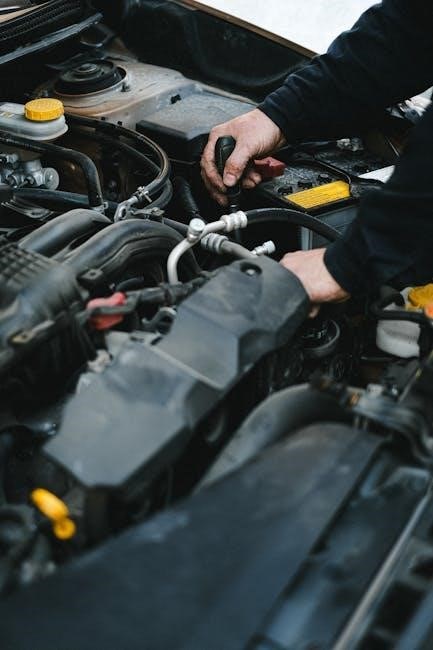
To replace the CR2032 battery, gently pry open the remote control casing, typically using a small flathead screwdriver. Note the battery’s orientation before removal. Carefully remove the old battery and insert the new CR2032, ensuring correct polarity (+ side up).
Snap the casing back together, verifying a secure closure. Test the remote to confirm functionality. Dispose of the old battery responsibly, following local regulations.
Understanding the Safety Sensors
The Odyssey 1000 utilizes safety sensors to prevent the door from closing on obstructions. These sensors, located near the door’s tracks, emit an invisible beam. If the beam is broken—by a person, object, or even debris—the door will reverse.
Proper alignment is crucial; ensure the sensor lenses face each other directly. Regularly inspect for obstructions and clean the lenses for optimal performance. Misalignment or blockage will trigger a safety error.
Sensor Alignment
Achieving precise sensor alignment is paramount for the Odyssey 1000’s safety system. The sensors must face each other directly, with the lenses unobstructed. Look for the indicator lights on each sensor; a solid light signifies proper alignment. If the lights are blinking, adjustment is needed.
Slightly loosen the mounting brackets and carefully aim the sensors until both lights are solid. Secure the brackets once aligned. Regularly check alignment, as vibrations can cause drift.
Sensor Troubleshooting
If the Odyssey 1000’s safety sensors malfunction, the door won’t close. Check for obstructions – even small debris can trigger issues. Verify the wiring connections to the motor unit, ensuring they are secure. Inspect the sensor lenses for dirt or damage; clean them carefully.
If lights blink continuously, realign the sensors. A solid, but one light is off, indicates a wiring or sensor failure. Consult a qualified technician if problems persist.
Advanced Features
The Odyssey 1000 offers smart home integration, allowing control via compatible systems. Vacation Mode enhances security when you’re away, randomizing door operation to deter potential intruders. MyQ compatibility provides smartphone access for monitoring and control, offering convenience and peace of mind.
Explore these features through the Overhead Door Company’s resources. Proper setup is crucial for optimal functionality and security. Refer to the full manual for detailed instructions and compatibility information.
Smart Home Integration
The Odyssey 1000 seamlessly integrates with popular smart home platforms, enhancing convenience and control. Compatibility with systems like MyQ allows operation via smartphone apps and voice commands. This integration enables remote monitoring, opening/closing, and receiving alerts regarding door status.
Ensure your system meets compatibility requirements for a smooth setup. Refer to the Overhead Door Company website for a list of supported platforms and detailed integration instructions. Enjoy the benefits of a connected garage door experience.
Vacation Mode Setup
Activating Vacation Mode on your Odyssey 1000 significantly enhances security while you’re away. This feature disables standard remote access, preventing unauthorized operation. Access is limited to the control panel, requiring physical presence for operation.
To enable Vacation Mode, consult the control panel instructions within this manual. Remember to deactivate it upon your return to restore normal remote functionality. This simple step provides peace of mind, safeguarding your home during extended absences.
Decoding Error Codes
The Odyssey 1000 utilizes error codes to diagnose operational issues. Understanding these codes is crucial for efficient troubleshooting. Refer to the control panel display for the specific code presented during a malfunction. This manual provides explanations for common error occurrences.
Error codes indicate problems ranging from sensor obstructions to motor failures. Consult the detailed explanations within this guide to pinpoint the source of the issue. Addressing these codes promptly ensures optimal performance and prevents further damage to your garage door system.
Error Code 1: Explanation
Error Code 1 typically signals a safety sensor issue within the Odyssey 1000 system. This indicates a misalignment or obstruction blocking the infrared beam between the sensors. The garage door will not close if this code is active, prioritizing safety. Inspect the sensors for dirt, debris, or physical damage.
Ensure the lenses are clean and properly aligned facing each other. Verify nothing is interrupting the beam’s path, like tools or boxes. If the problem persists, consult the sensor troubleshooting section for further diagnostic steps and potential solutions.
Error Code 2: Explanation
Error Code 2 on the Odyssey 1000 generally points to a motor overload or stall condition. This suggests the motor is struggling to move the garage door, potentially due to excessive friction or a binding issue. Check for obstructions in the door’s tracks and ensure smooth roller movement.
Inspect the door’s balance; an unbalanced door strains the motor. Verify the force settings aren’t too low, causing premature overload detection. If the issue continues, professional service may be required to diagnose and address potential motor or gear problems.

Finding Replacement Parts
Locating replacement parts for your Odyssey 1000 opener is crucial for maintaining its functionality. Overhead Door Company is the primary source, offering genuine parts through their network of distributors. Online retailers specializing in garage door components also stock common replacements like belts, rollers, and sensors.
When ordering, have your model number readily available to ensure compatibility. Consider contacting local garage door service companies; they often sell parts directly to customers. Always prioritize quality parts to guarantee performance and safety.
Warranty Information
The Odyssey 1000 garage door opener typically comes with a limited warranty covering defects in materials and workmanship. Standard coverage usually includes the motor unit for a specified period, often one to two years, and parts for a shorter duration. Review your original purchase documentation for precise terms and conditions.
Warranty claims generally require proof of purchase and may necessitate professional inspection. Modifications or improper installation can void the warranty. Contact Overhead Door Company directly for warranty service or assistance.
Resources and Support
For additional assistance with your Odyssey 1000, the Overhead Door Company website offers a wealth of information, including FAQs, troubleshooting guides, and downloadable manuals. Access their site for detailed product specifications and support documents. Customer support is readily available via phone or online contact forms.
Explore online forums and communities dedicated to garage door openers for peer-to-peer support and shared experiences. Utilize the resources provided to ensure optimal performance and longevity of your opener.
Overhead Door Company Website
The official Overhead Door Company website serves as a central hub for all Odyssey 1000 resources. Locate comprehensive documentation, including detailed manuals, specification sheets, and warranty information. Explore their support section for frequently asked questions and troubleshooting guides tailored to your model.
Discover helpful videos demonstrating installation procedures and maintenance tips. Register your product online to receive updates and exclusive offers. Access a network of authorized dealers for professional assistance and genuine replacement parts.
Customer Support Contact Information
For direct assistance with your Odyssey 1000, contact Overhead Door Company’s customer support team. Reach them via phone at 1-800-922-1122 during business hours, Monday through Friday. Alternatively, submit an inquiry through their online contact form, available on their official website.
Expect knowledgeable representatives to address your questions regarding installation, programming, or troubleshooting. Provide your model number and purchase date for efficient service. Explore their website for a detailed FAQ section before contacting support.